Tip Casting for Harbour Crane About
Tip Casting for Harbour Crane
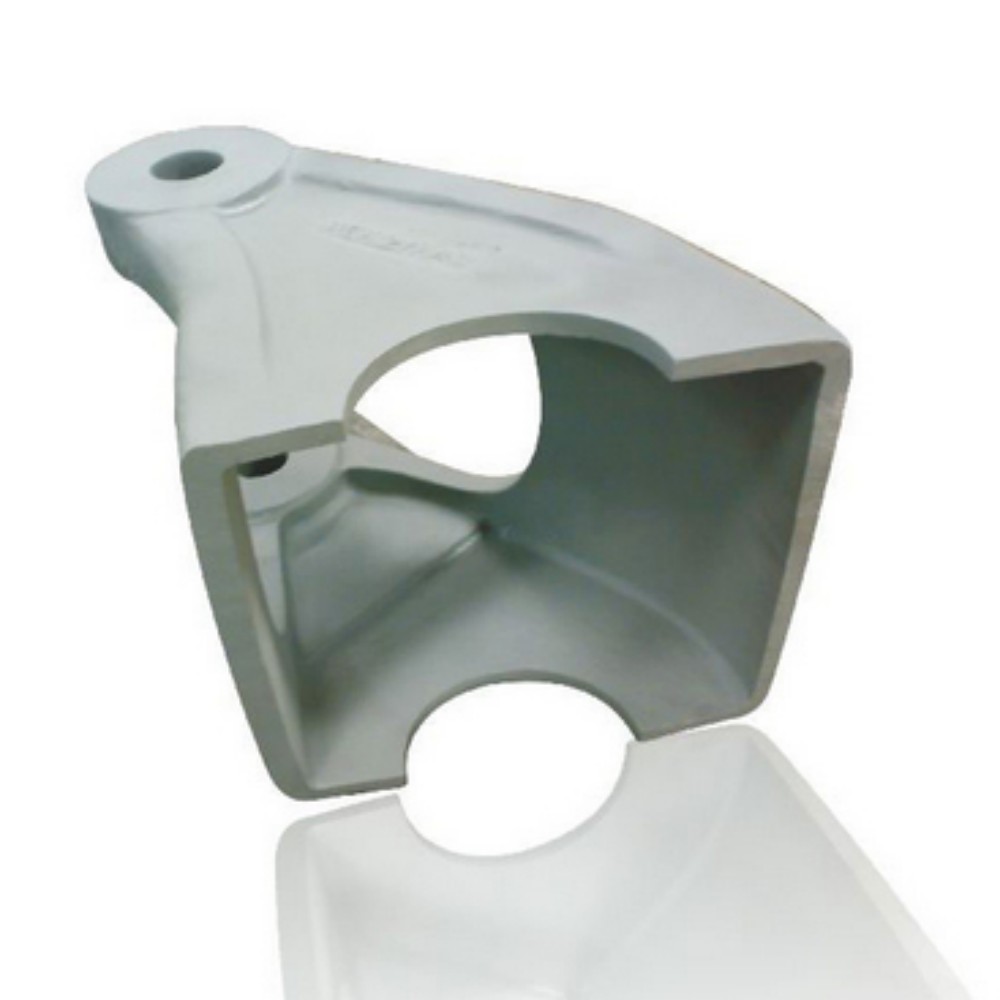
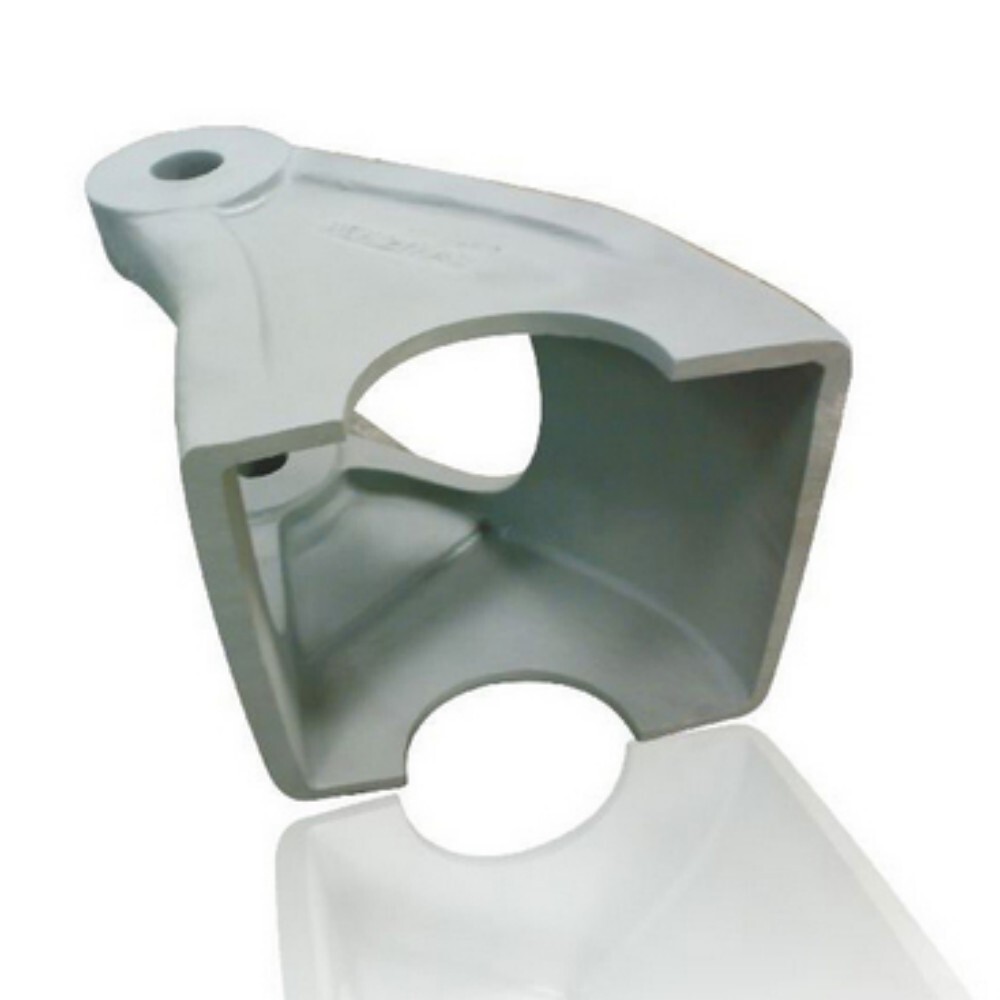
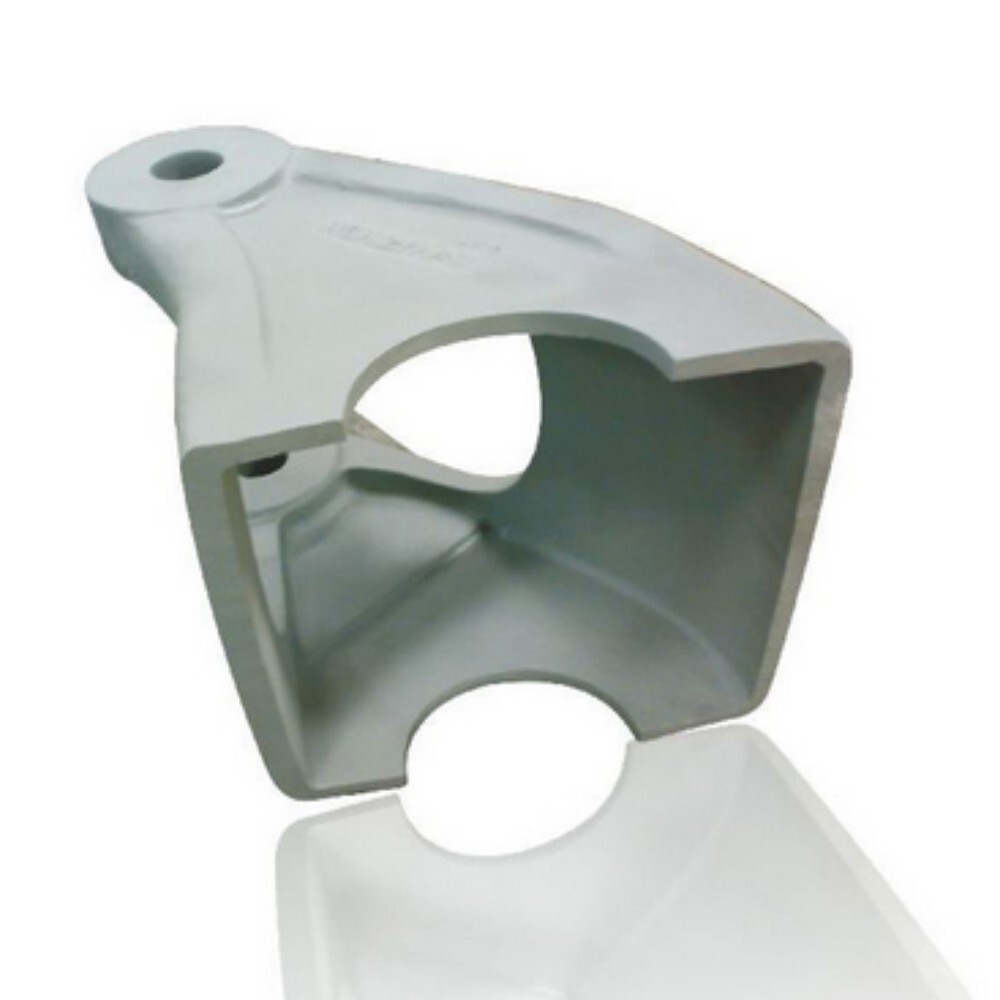
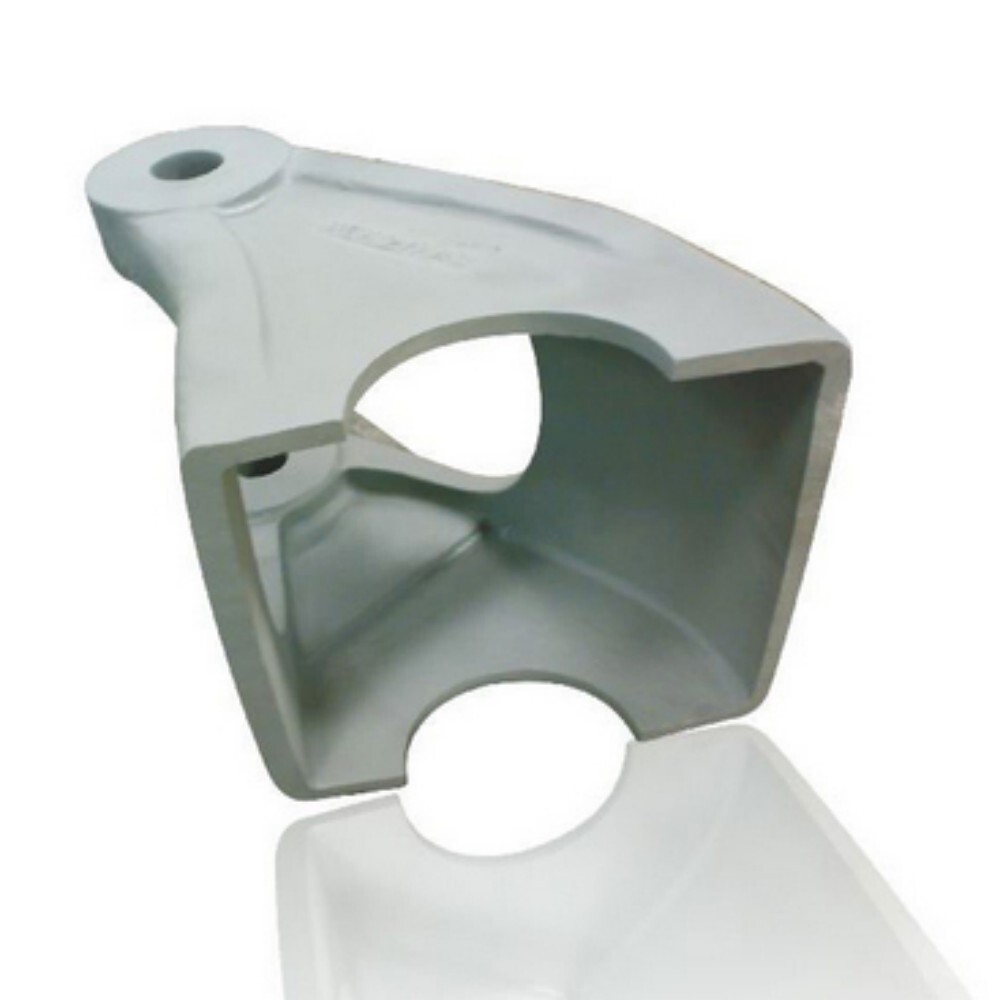
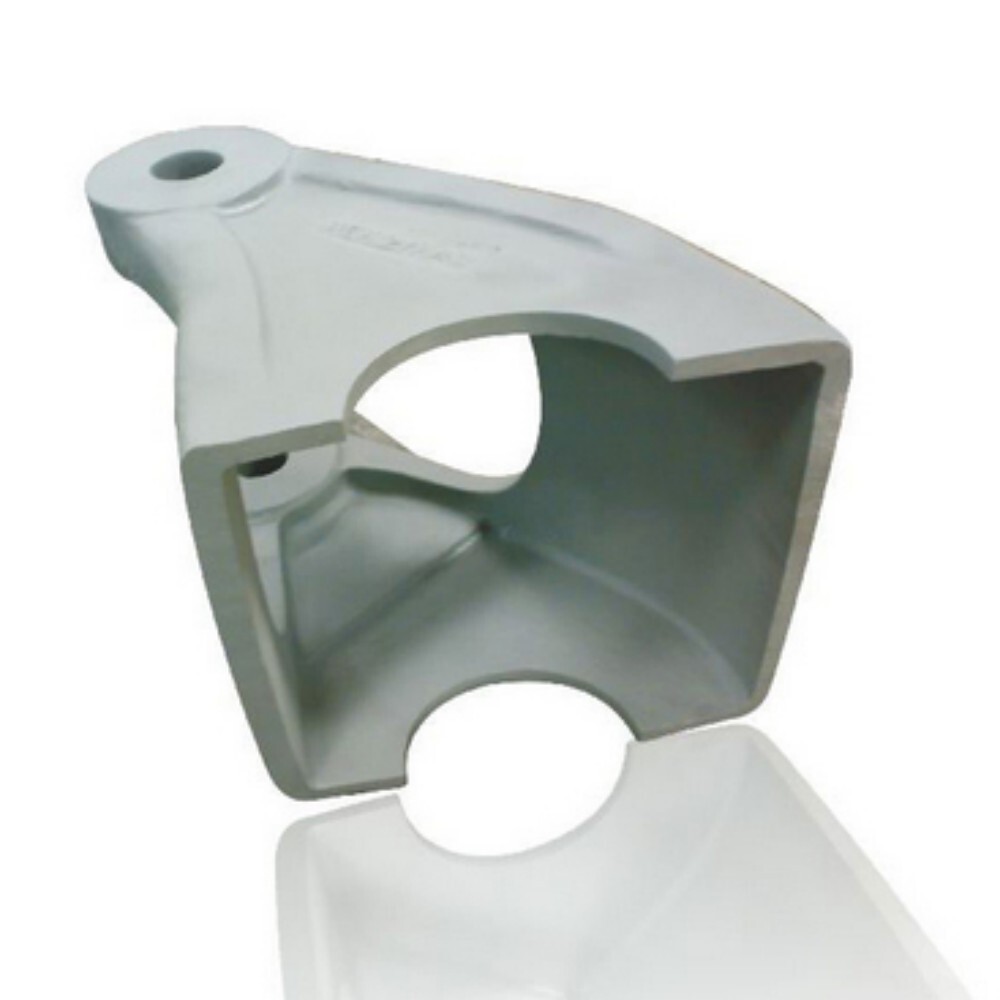
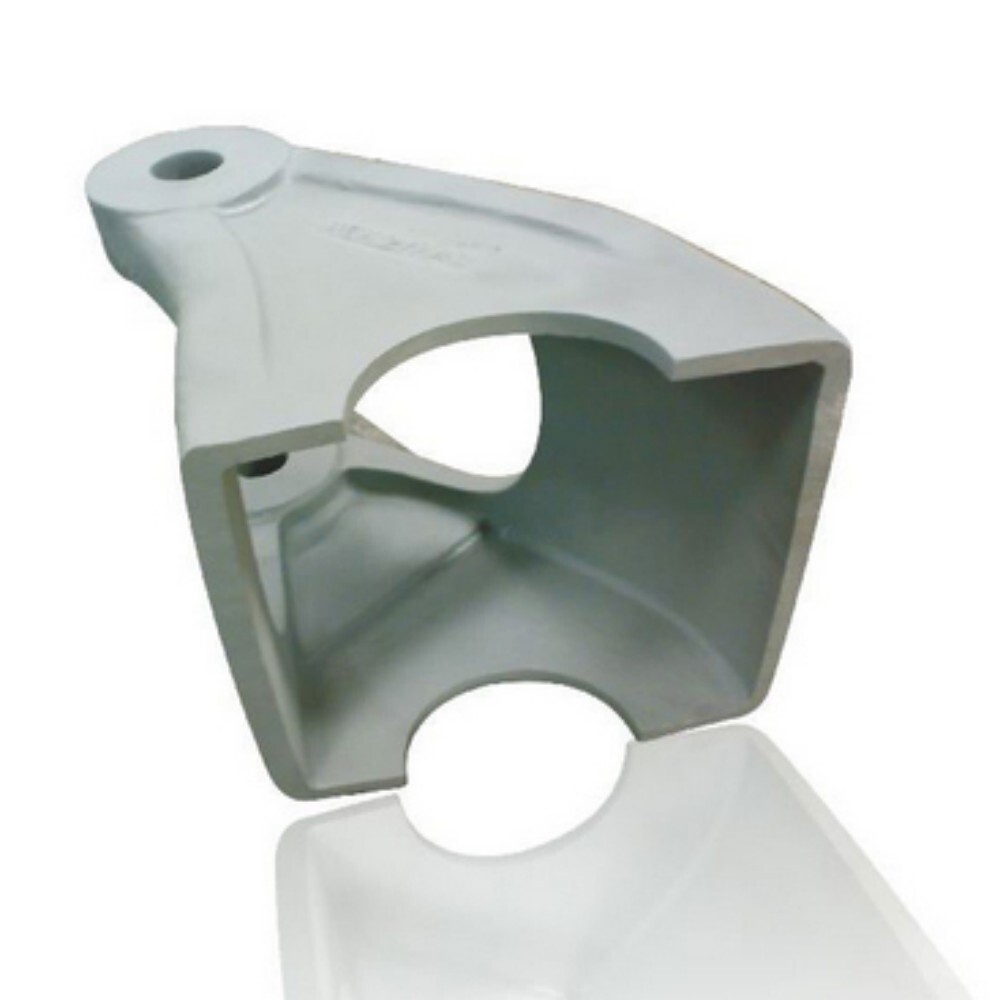
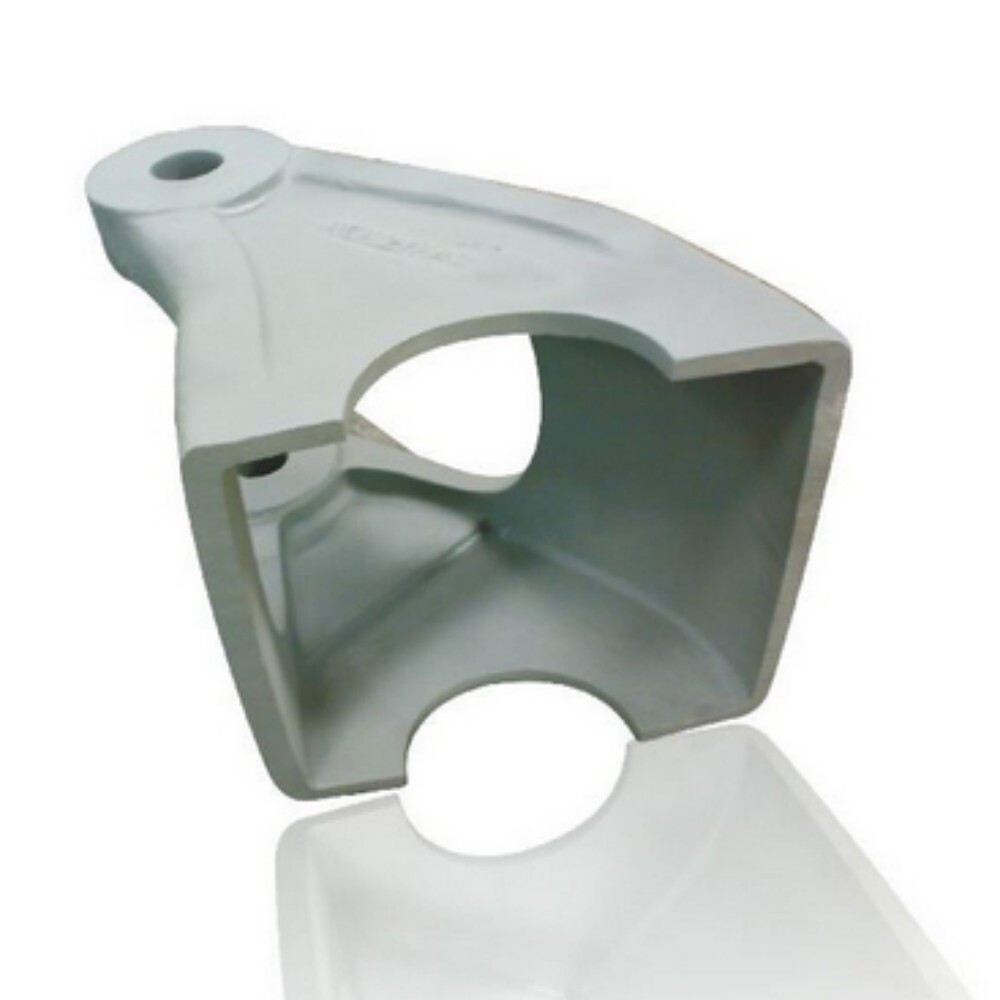
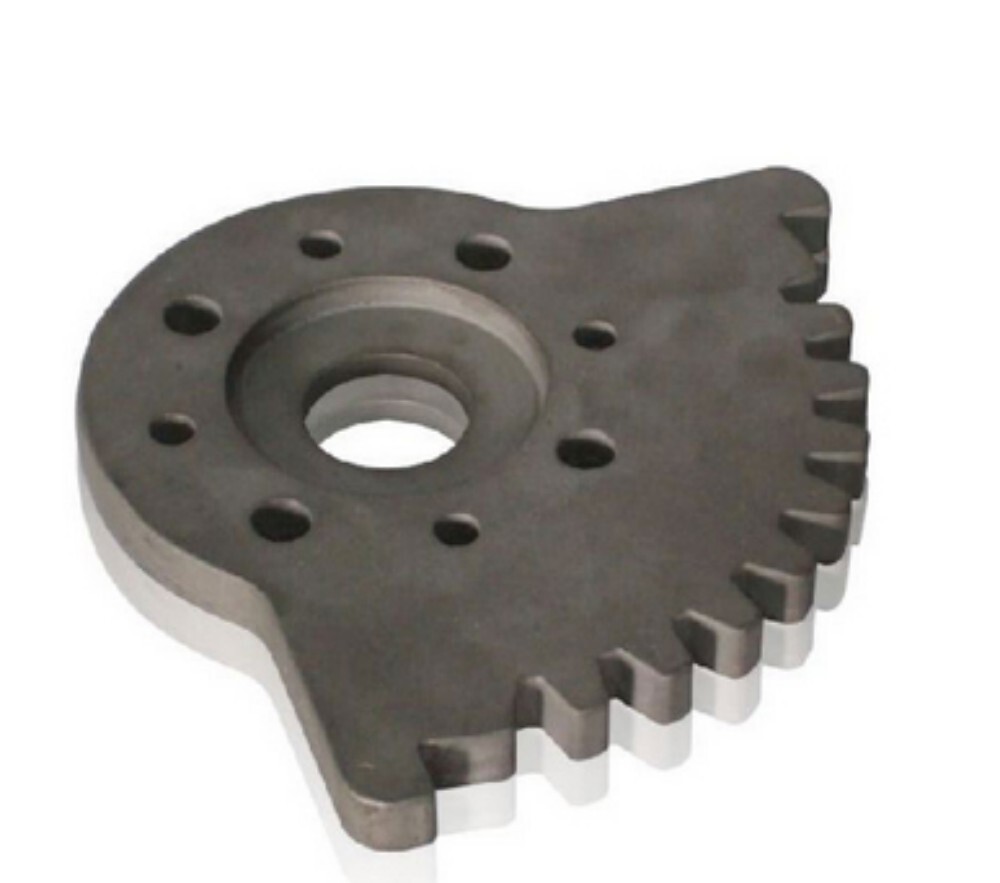
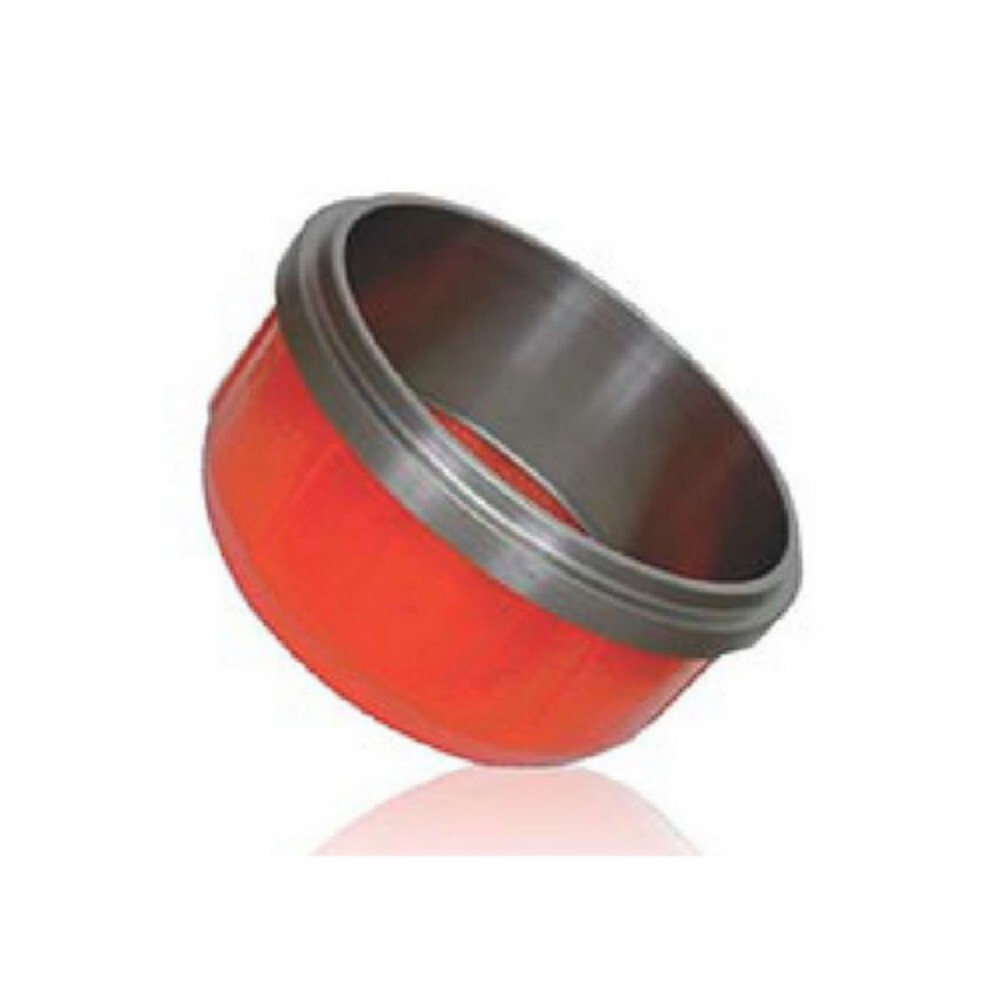
Tip Casting is a heavy-duty, precision-engineered component used at the boom tip of harbour cranes. It plays a critical role in supporting sheaves, wire ropes, and lifting mechanisms, ensuring safe and efficient load handling during port and dock operations.
Key Features:
-
Manufactured from high-strength cast steel or alloy steel
-
Designed to withstand heavy loads and harsh marine environments
-
Excellent fatigue resistance and dimensional accuracy
-
Corrosion-resistant surface finish suitable for coastal conditions
Applications:
Benefits:
-
Enhanced operational safety
-
Long service life with minimal maintenance
-
Reliable performance under continuous load cycles
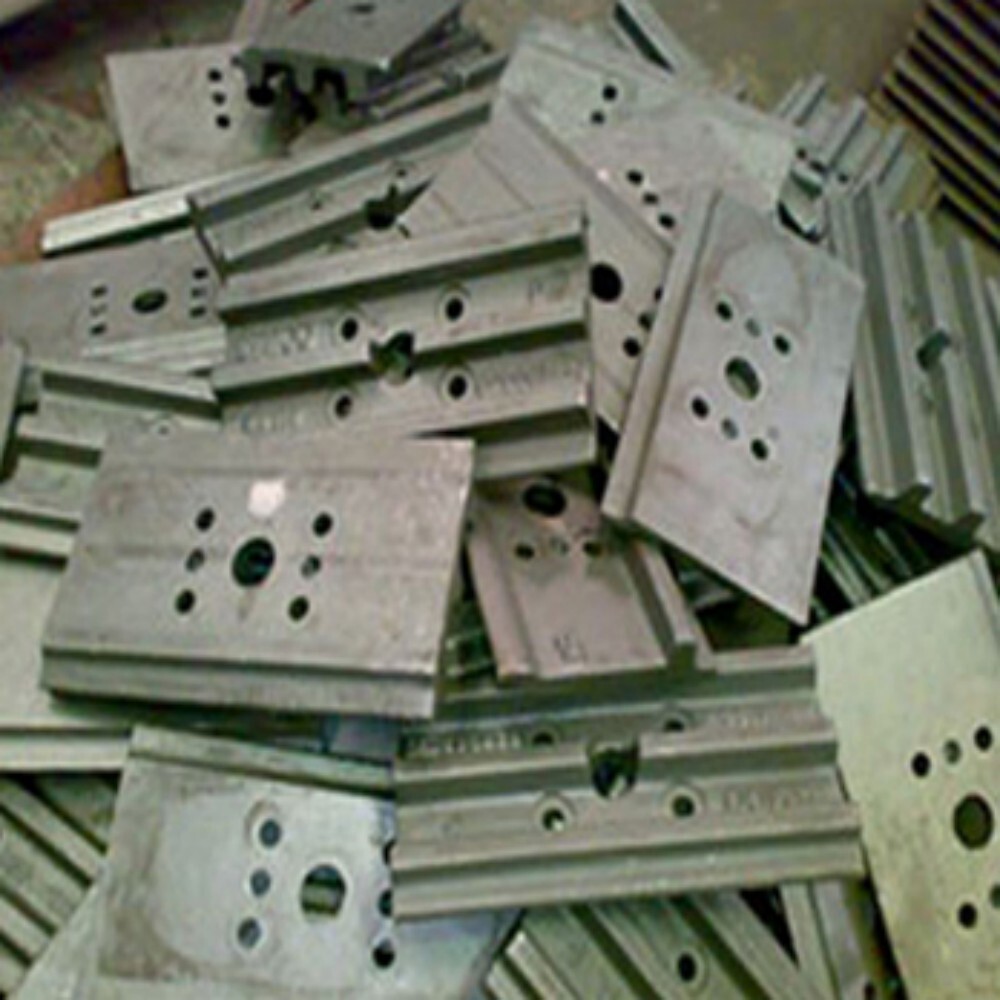
Precision Manufacturing for Demanding ApplicationsOur tip castings for harbour cranes are meticulously engineered from high-quality alloy steel, selected for its exceptional strength and resistance to wear. The sand casting process allows for intricate detailing and consistent quality, meeting the rigorous demands of industrial harbour equipment applications. This manufacturing expertise ensures each casting fits perfectly, providing durability and extended operational life.
Advanced Surface Finishing via Sand BlastingEvery tip casting undergoes an exacting sand blasting surface finish. This crucial step enhances the component's resistance to corrosion, improves its mechanical grip, and prepares it for subsequent treatments if necessary. The result is a robust surface that withstands harsh marine atmospheres typically encountered in port and dockside operations.
FAQ's of Tip Casting for Harbour Crane:
Q: How is the tip casting for harbour cranes manufactured?
A: The tip casting is produced using the sand casting process, where molten alloy steel is poured into a custom-shaped sand mold. After solidification, the casting is removed from the mold, followed by a thorough sand blasting to achieve a high-quality surface finish.
Q: What is the main benefit of using alloy steel for these castings?
A: Alloy steel provides superior strength, durability, and resistance to harsh environmental factors. This makes the tip casting ideal for supporting heavy loads and withstanding wear and corrosion commonly encountered in industrial harbour applications.
Q: When should tip castings with sandblasted surfaces be considered for crane maintenance?
A: Tip castings with sandblasted finishes should be chosen when optimal surface integrity, increased lifespan, and resistance to corrosion or abrasion are required, especially during scheduled crane maintenance or when replacing worn parts in demanding operational cycles.
Q: Where are these tip castings typically used?
A: These components are designed specifically for harbour cranes, which are deployed at ports, docks, and marine terminals for efficient cargo handling and heavy lifting in industrial maritime operations.
Q: What is the purpose of sand blasting as a surface finishing method in this product?
A: Sand blasting removes surface impurities, enhances surface roughness for better coating adherence, and provides a uniform appearance. It significantly improves the castings' resistance to rust and wear, extending the service life of the crane component.
Q: How does the sand casting process benefit industrial users?
A: Sand casting allows for the efficient manufacture of complex shapes with precise tolerances, making it suitable for producing robust crane components. Its adaptability enables cost-effective production runs tailored to industrial requirements.
Technical Details 

 Send Inquiry



 Send Inquiry


 Send Inquiry
 English
 Spanish
 French
 German
 Italian
 Chinese (Simplified)
 Japanese
 Korean
 Arabic
 Portuguese